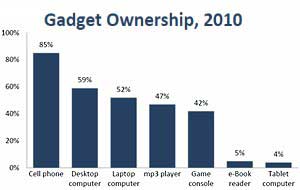
 Mobile or remote collaboration once was a matter of users communicating using enterprise-approved smart phones and PCs, with a couple of key applications.
 These days, non-standard devices including tablets, over-the-top and non-authorized applications now are quite common. A mobile worker's toolkit includes a combination of smartphones, tablets, laptops, netbooks, corporate devices and a bunch of applications.
True mobility is the ability to work from anywhere over any device and then be able to switch them when the user wants. This breaks the link between "wireless" and "mobility," Cisco tends to argue. In other words, there is a difference between "untethered" communications and collaboration, and "mobile" collaboration.
Workers at a desk might start a video on a tablet and then move to the PC or move other content around between devices. Some of that activity might use or require a "mobile" device, connected to a mobile service provider's network. In other cases, Wi-Fi connections are sufficient. Most people, most of the time, prefer untethered or cordless devices, even when an access connection uses the fixed network. Collaboration in a Post-PC World
Much the same situation prevails in the consumer market as well. Most of the devices consumers now use, or will use increasingly in the future, can use Wi-Fi, which means the dominant connectivity requirement for a consumer is the fixed broadband connection, with wireless "tails" inside the house.
In fact, given the growing use of mobile devices to consume content, most consumers will benefit from switching even their mobile phones to Wi-Fi connections when at home.
Much the same situation prevails in the consumer market as well. Most of the devices consumers now use, or will use increasingly in the future, can use Wi-Fi, which means the dominant connectivity requirement for a consumer is the fixed broadband connection, with wireless "tails" inside the house.
In fact, given the growing use of mobile devices to consume content, most consumers will benefit from switching even their mobile phones to Wi-Fi connections when at home.
That provides one obvious clue about the future value of the fixed network. Though mobile broadband and voice might be sufficient for many people, much of the time, the value-price relationship will, in all likelihood, "always" favor untethered use of the fixed network.
 |
| Untethered device ownership |
